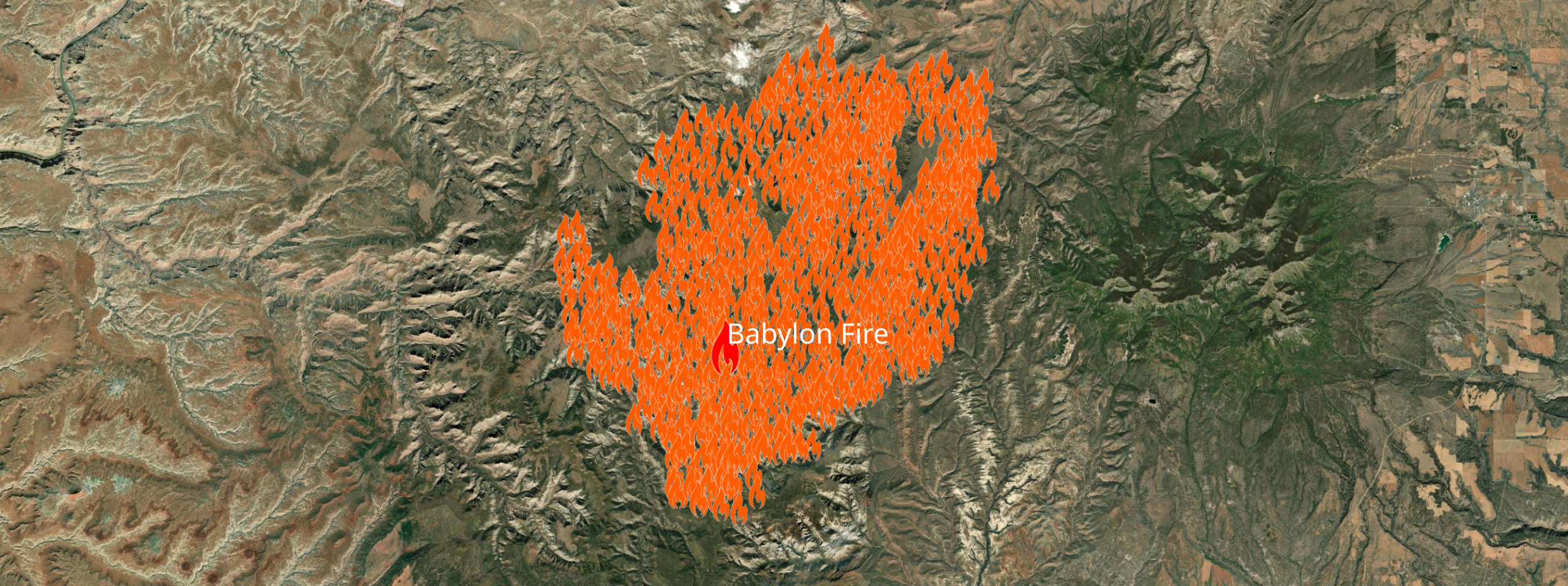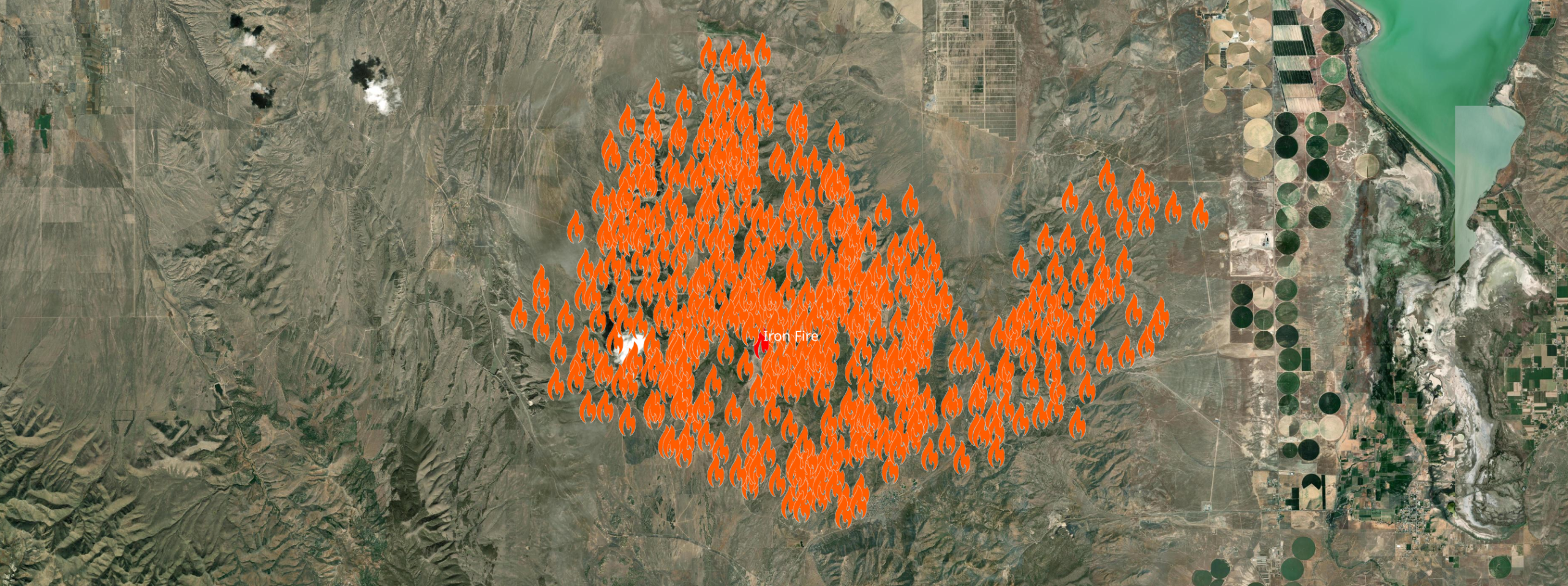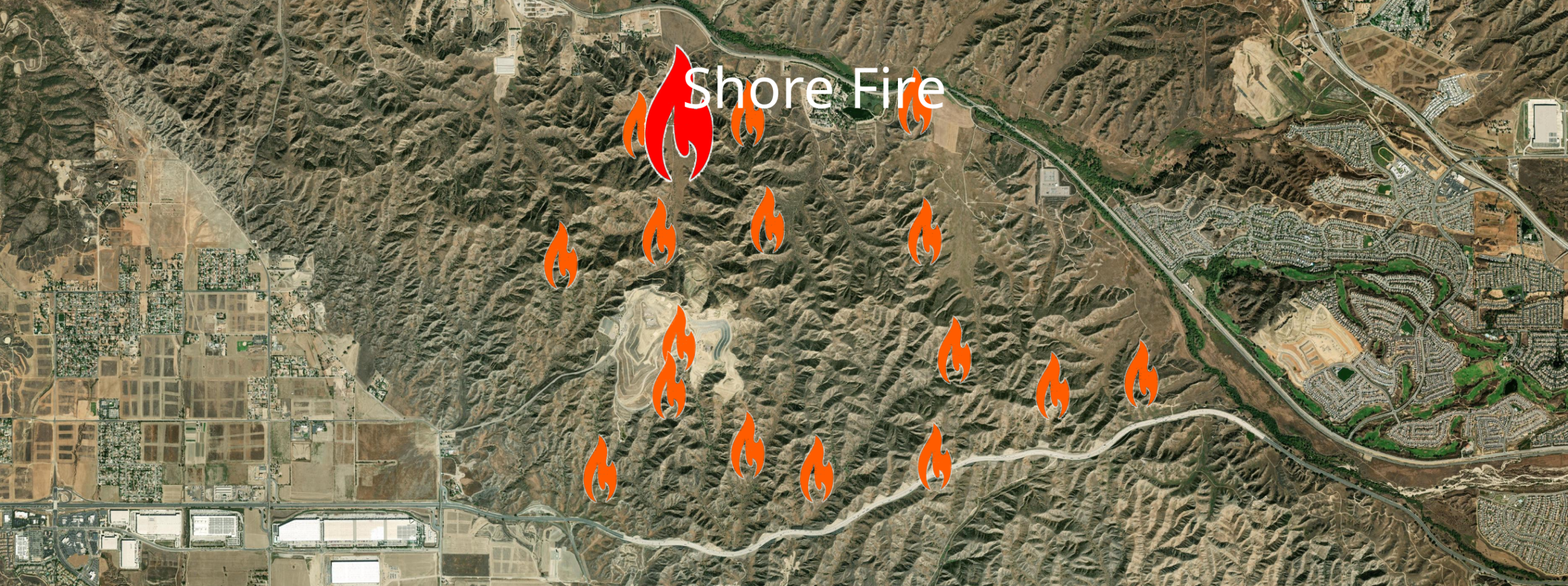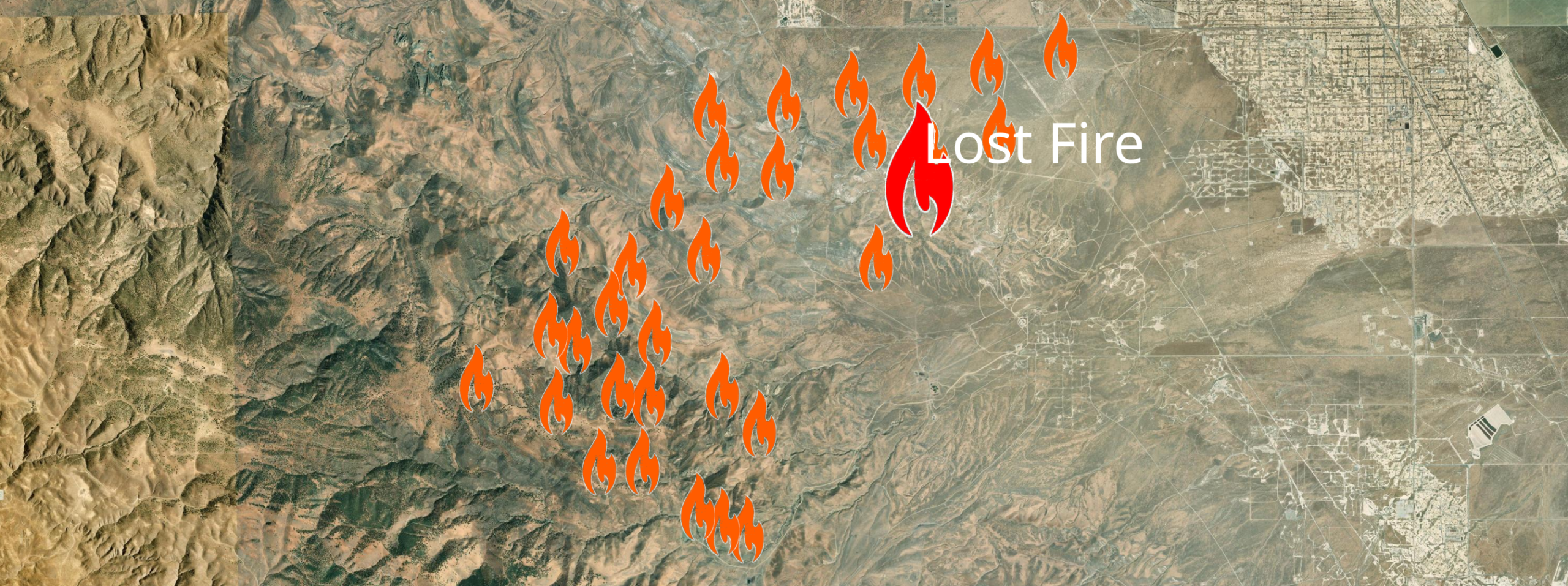
Fires are one of the most significant contributors to air pollution. From accidental industrial fires to wildfires, they release large amounts of particulate matter and hazardous chemicals. Some estimates point to wildfires accounting for close to 10% of the global contribution to fine particulate matter. However, the most significant impact occurs at the regional and local level when wildfires’ contributions can be much larger than globally. For example, wildfires in the western U.S. are estimated to contribute near 50% to fine particulate matter, and to episodes when a combination of wildfires and meteorological conditions results in hazardous conditions. Because of their diversity and complexity, modeling fires requires using the right approach and a higher level of sophistication than other phenomena.
4D wildfires and their impact on air composition
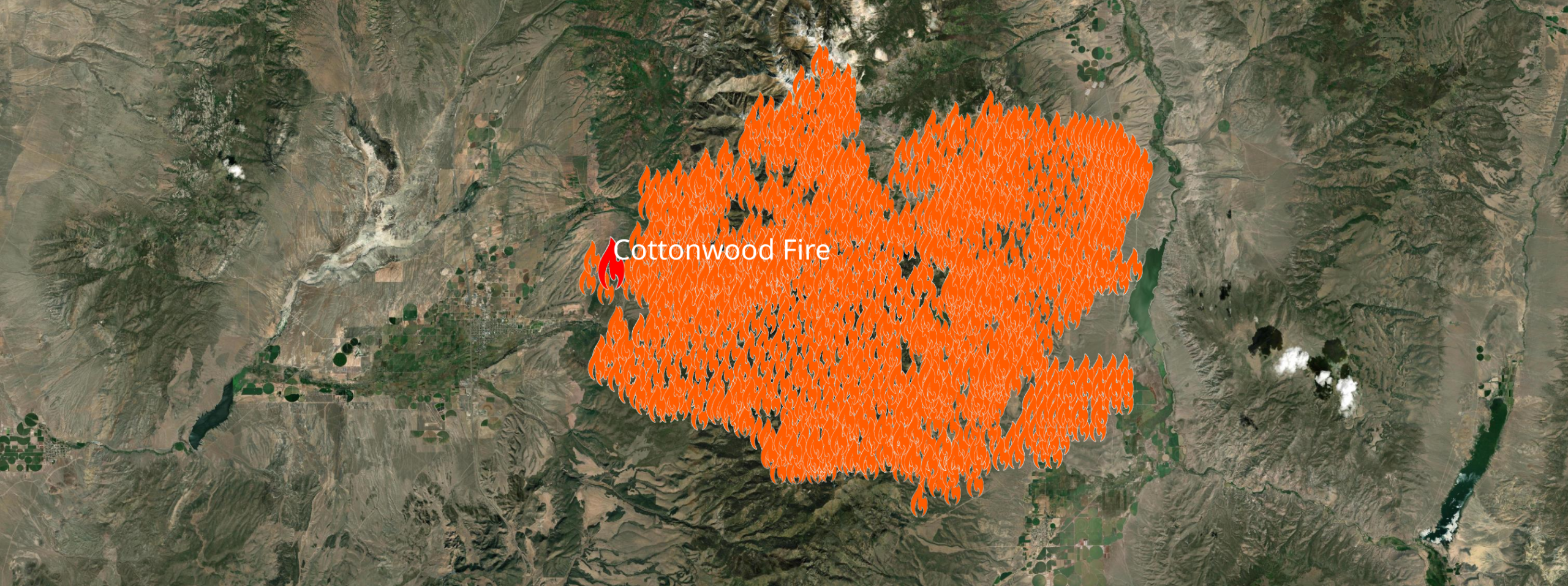
Wildfires generate very large amounts of greenhouse gases and air pollutants altering air composition with the largest ones having an impact even thousands of kilometers from the fire location and lasting several days. In order to capture their 3D spatial and temporal dynamics, our wildfire simulations integrate a combination of data satellite data with physical & combustion models into the solution of the transport equations governing these complex phenomena.
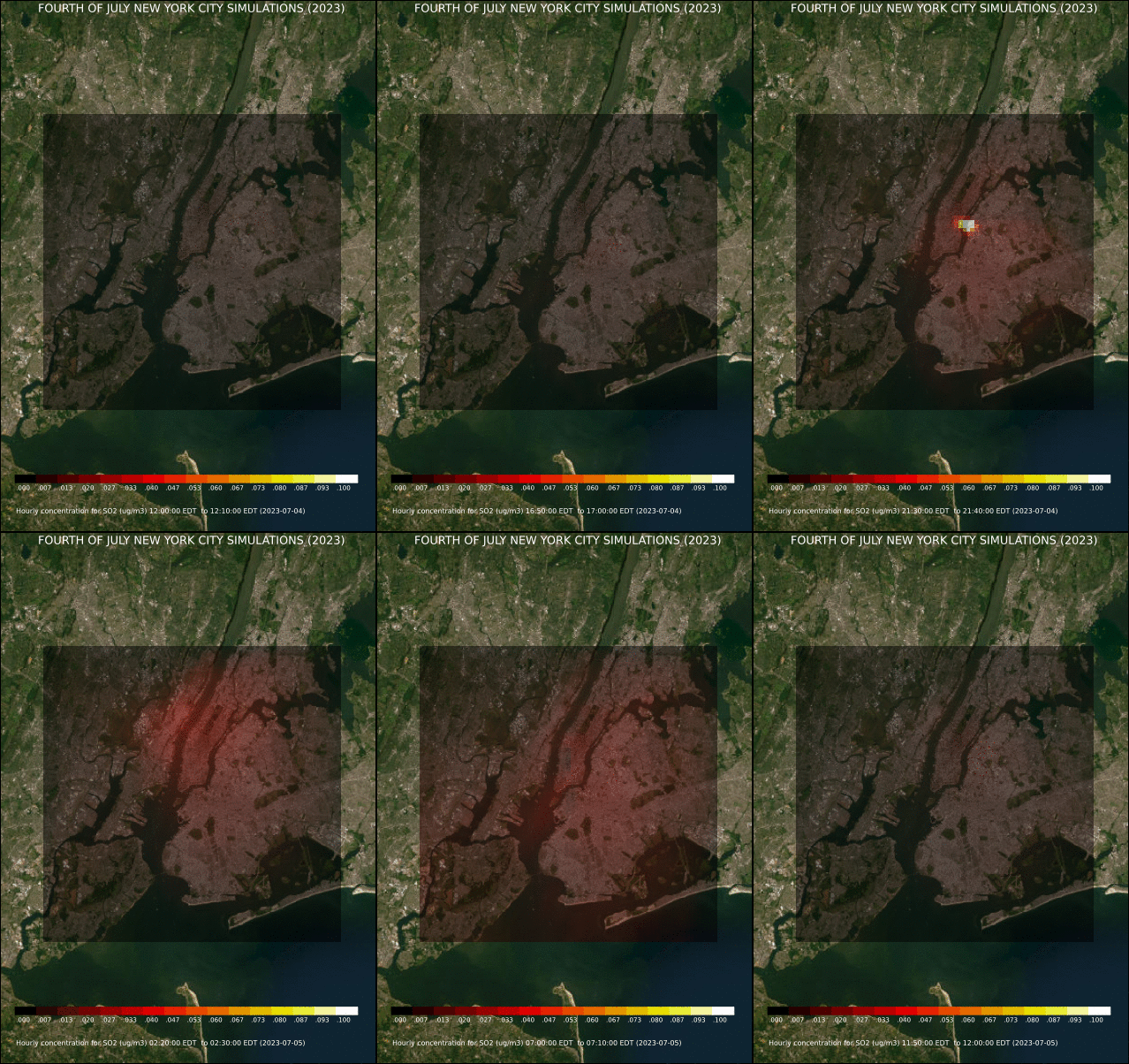
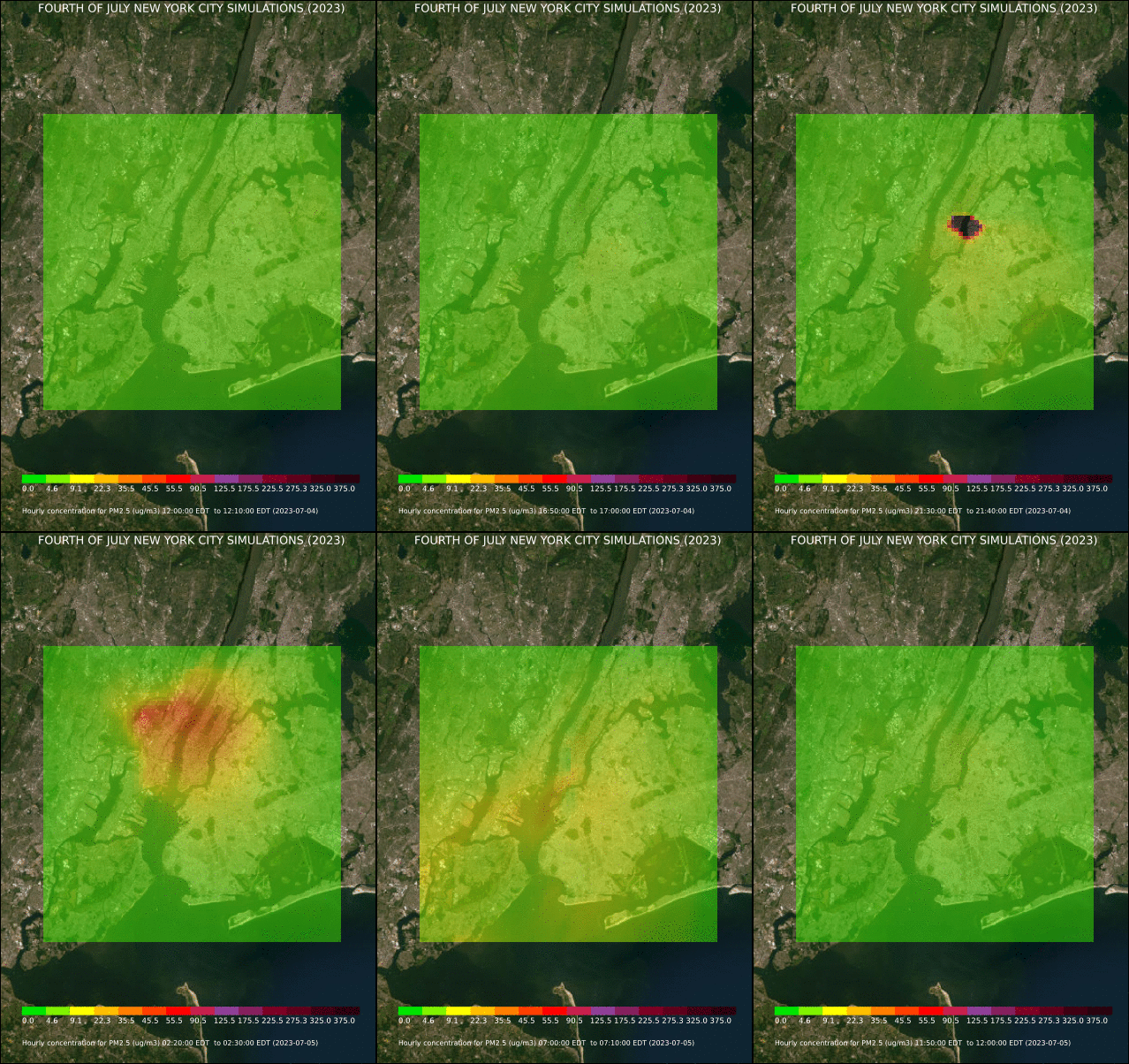
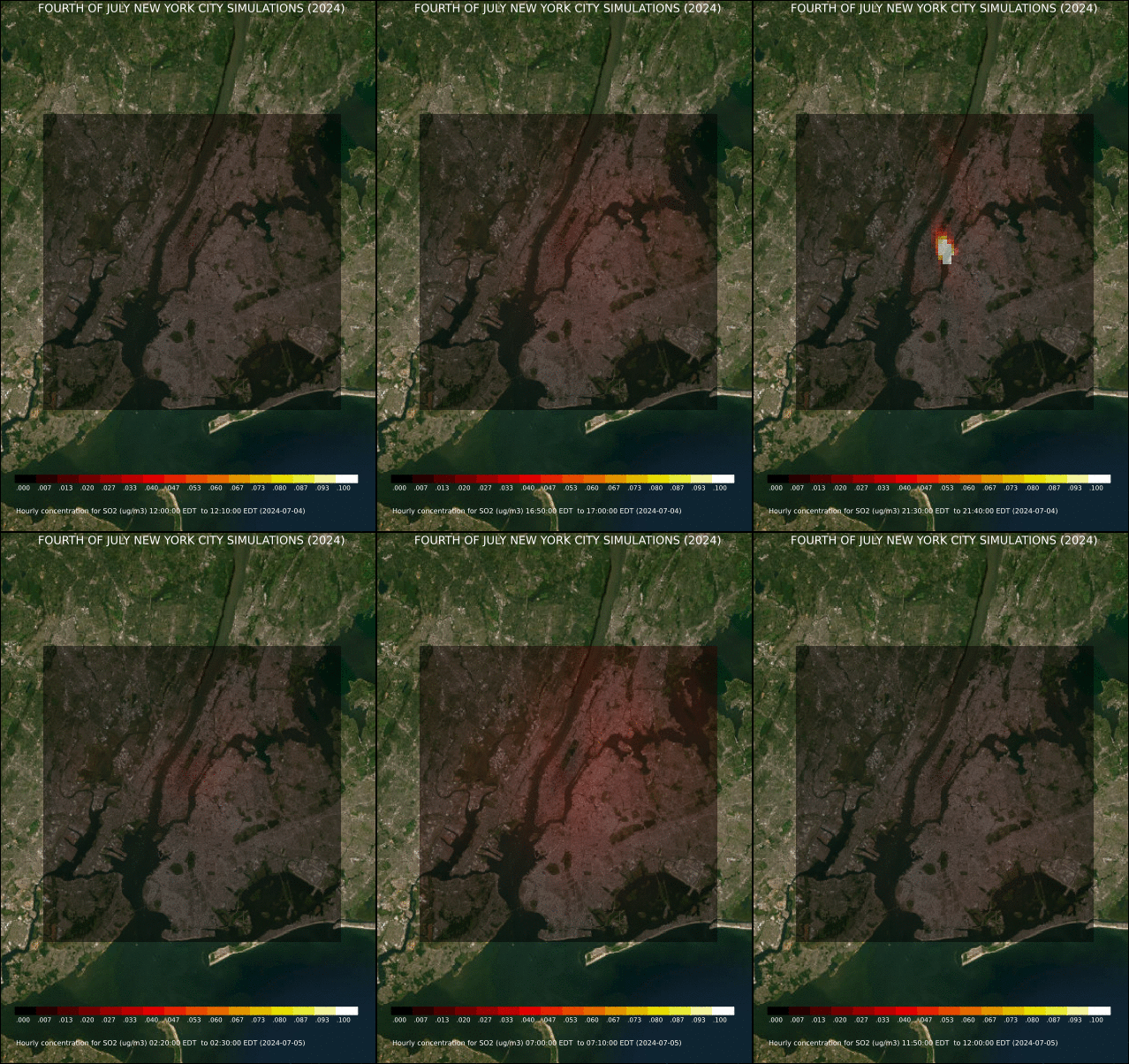
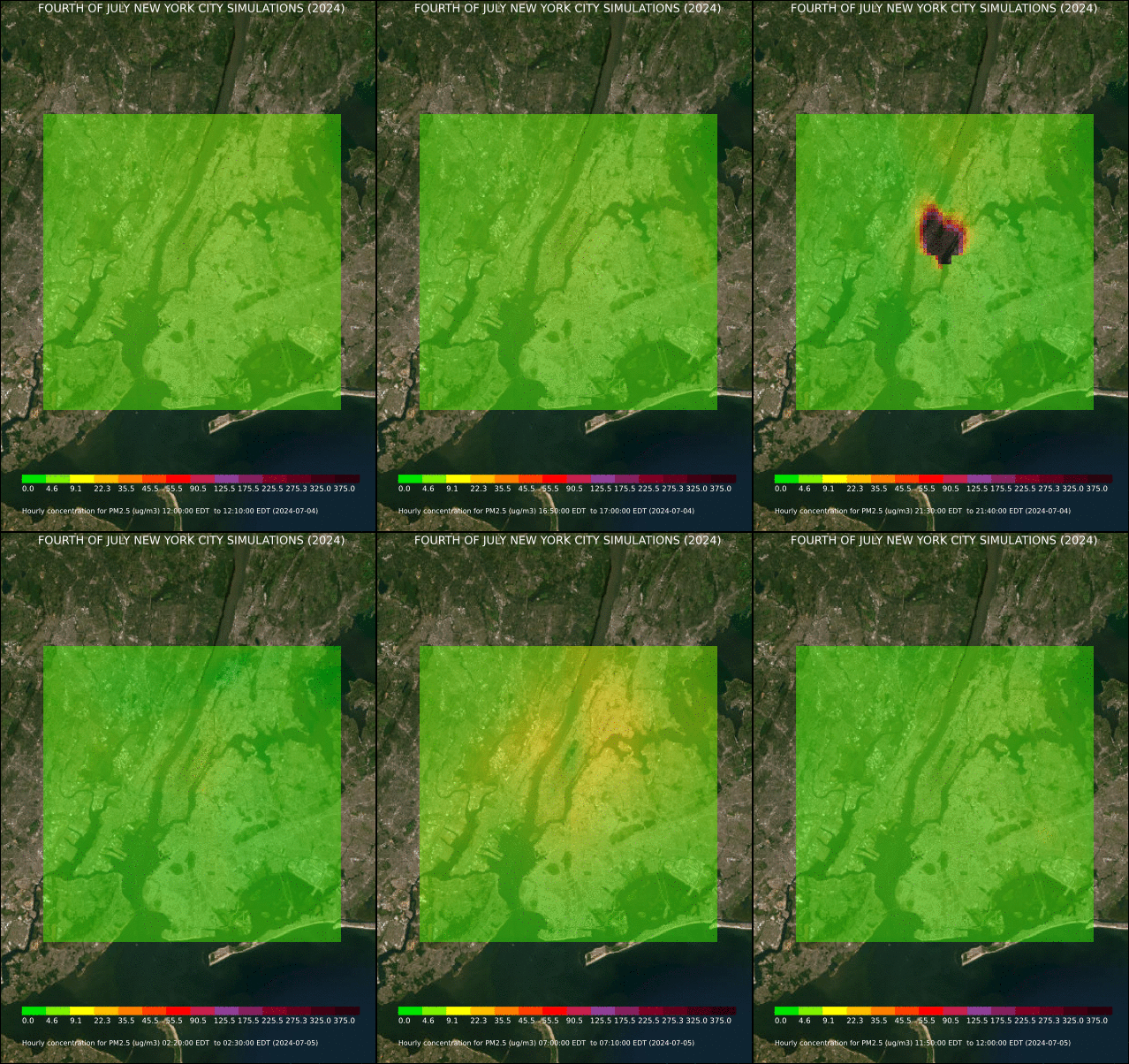
Impact of fireworks on air quality
Display fireworks can significantly alter local air quality for several hours as chemical reactions generate significant quantities of particulate matter and other pollutants such as sulfur dioxide or nitrogen oxides. We are performing computations to assess the impact of meteorological conditions on the spatial-temporal concentration of these species in major metropolitan areas for large events such as U.S. 4th of July celebrations.